
Is Your HR Strategy Keeping Pace with Your Business Strategy?

By: Lorraine Gauvin, President and COO
Ask most organizations how they plan their workforce, and the questions sound familiar: How many people do we need? Which positions should we fill? What skills are missing today? Those are reasonable questions, and they leave out the one that matters most for strategy: does the organization have the capability to execute where the business is headed?
One of the biggest opportunities for HR leaders today is shifting the conversation from managing talent to building organizational capability.
This means looking beyond individual roles and headcount to understand whether an organization has the right people, skills, leadership, structure, culture, and systems to execute its business strategy, both today and in the years ahead.
Moving Beyond Traditional Workforce Planning
Traditional workforce planning focuses on filling vacancies and making sure the organization has enough staffing to meet current demands.
Strategic workforce planning means understanding where the business is going and identifying the capabilities required to get there.
HR leaders should be asking:
- What capabilities will our business need over the next two to three years?
- Are we structured in a way that supports our strategic priorities?
- Do we have the leadership depth and talent needed to execute our growth plans?
- What skills will become more important as technology and AI reshape how work gets done?
- Where are we investing in talent, and are those investments delivering the right business outcomes?
- Are our people practices, systems, and culture supporting the direction of the business?
These questions move HR from a primarily operational function to a strategic business partner that helps anticipate what’s next.
The Impact of AI and Technology on Organizational Design
While much of the conversation around AI has focused on productivity gains, and automation, the more important question is how AI will change the nature of work itself.
Organizations need to evaluate which tasks can be automated and where technology can augment human capabilities. This requires taking a closer look at jobs, workflows, decision-making, and organizational design.
For example:
- Are roles evolving to take advantage of AI-enabled capabilities?
- Are we equipping employees to work effectively alongside technology?
- Do we need to rethink how teams are structured?
- Are managers prepared to lead teams through changing responsibilities?
- How will we measure productivity and performance?
HR has an important role in helping organizations navigate these changes while maintaining employee engagement and a strong culture. There is an opportunity to rethink how work gets done and build an organization that is better equipped for the future.
Leadership and Culture Are Competitive Advantages
Even with the right technology and talent in place, organizations cannot execute their strategy without effective leadership and a culture that supports it.
Leaders need to be able to navigate ambiguity, make decisions with incomplete information, develop talent, embrace change, and create an environment where employees can do their best work.
HR can help build these capabilities by:
- Developing leadership expectations aligned with business priorities.
- Strengthening succession planning and leadership pipelines.
- Creating meaningful performance management and accountability practices.
- Identifying skill gaps and investing in targeted development.
- Reinforcing the behaviors and cultural attributes that drive business success.
Culture should not be viewed as a separate HR initiative. It is directly connected to how an organization operates, makes decisions, develops talent, and delivers results.
Connecting People Strategy to Business Performance
For HR to have a meaningful strategic impact, HR should be partnering with executive leadership, understanding financial and operational priorities, and using data to inform decisions.
Rather than focusing exclusively on traditional HR metrics such as turnover, time to fill, and employee engagement, organizations with strategic HR should consider how their people strategies influence broader business outcomes. The goal is to connect HR activities to measurable organizational outcomes.
When HR understands what drives business performance, it can make better recommendations about where to invest, what to prioritize, and how to prepare the organization for what’s ahead.
The Opportunity for HR Leaders
The future of strategic HR is about helping shape the business decisions being made at that table. That requires HR leaders to challenge traditional approaches and become more deeply connected to the organization’s strategy and operating model.
Whether an organization has a full-time HR executive, an internal HR team, or a fractional HR partner, the opportunity is the same: connect people strategy to business strategy.
The question isn’t whether your organization has the people it needs today. It’s whether you’re building the organization you’ll need tomorrow.
At Swift HR Solutions, we believe effective HR starts with understanding the business. We partner with organizations to connect their people strategy with their business objectives, strengthen leadership and organizational effectiveness, and build the capabilities needed for sustainable growth.
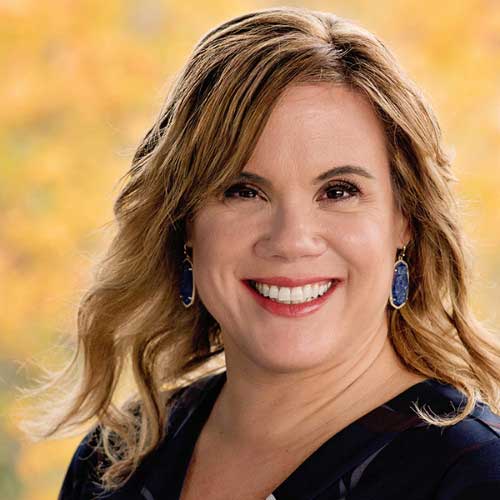
About the Author
Lorraine Gauvin is President and COO of Swift HR Solutions. She has led human resources and talent acquisition across healthcare, entertainment technology, legal services, and transportation. Lorraine holds an MS in Human Resource Management and is a certified SPHR.